

By Joseph J. Jackson | FLORIDA MAN NEWS NETWORK (Nov. 15, 2026)
The short version
A 90-day reprieve, not a fix. USDA pushed enforcement of its new SNAP stocking rules from Nov. 4 to early February after New York City Mayor Zohran Mamdani asked the White House for more time. The relief applies nationwide.
The rule didn't change. Every SNAP store still has to carry at least 84 staple items, including more perishables.
USDA expects about 5,000 stores to lose SNAP, more than double a normal year. Small-town gas stations and general stores have the least room to comply.
The corner store got a reprieve Friday. Not a pardon.
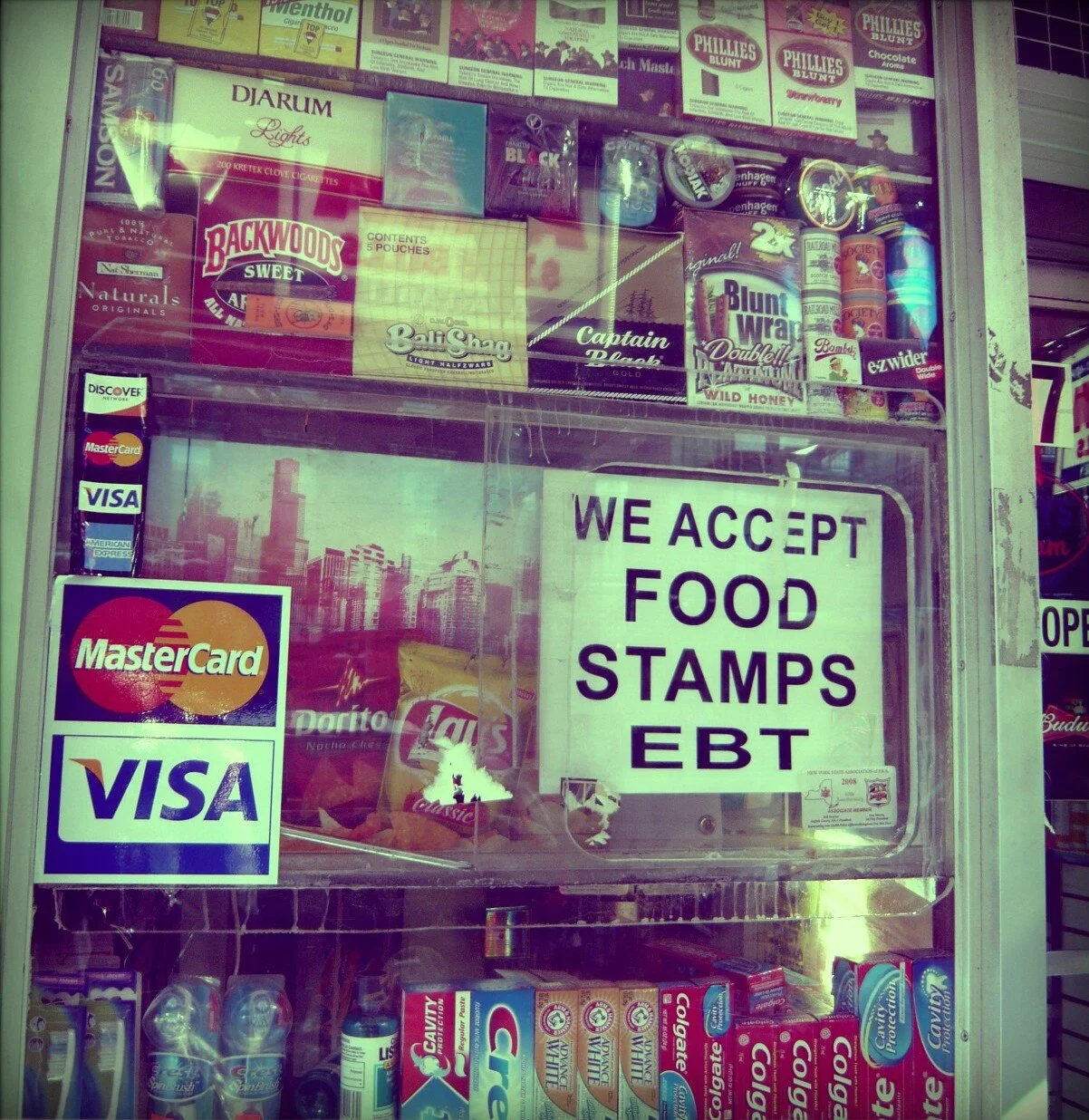
New York City Mayor Zohran Mamdani announced that he'd struck a deal with President Donald Trump to push back enforcement of USDA's new SNAP stocking rules by at least 90 days. The White House confirmed it the same afternoon, and the relief applies nationwide, not just in the five boroughs. USDA's statement: "Today, the department will afford retailers 90 more days to get it right."
Mamdani had asked for six months. He got three. Agri-Pulse reports that enforcement now starts Feb. 2 instead of Nov. 4.
The rule itself didn't change at all. The delay just moves the deadline.
What the rule actually demands
Under the final rule USDA published May 8, every SNAP store has to keep at least seven varieties in each of four staple categories: dairy, grains, protein, and fruits or vegetables. That's up from three. Three of those categories have to include perishables, up from two. And stores need at least three units of each variety on the shelf, so the minimum is 84 items. Butter, jerky, snack bars and fruit spreads don't count toward the total anymore.
For a supermarket, none of that is a problem. For a 1,200-square-foot store with a single cooler, it's a real problem.
The money
USDA's own analysis estimates about 5,000 stores will lose SNAP authorization under the new standards. In a normal year, around 2,000 stores lose it under the current rules. So the government is planning on more than double the usual losses.
Advocates think even that number is low. The Food Research & Action Center says the stocking rule, on top of food-choice restrictions in 23 states and the drop in SNAP participation since January 2025, will push even more stores out.
Losing SNAP isn't just an inconvenience for a small store. In New York, SNAP makes up 15% to 20% of a typical bodega's sales, and some Bronx owners say it's as high as 30%. If a store loses authorization, it has to wait six months before it can reapply. In his Nov. 2 letter to Agriculture Secretary Brooke Rollins, Mamdani warned that losing SNAP for six months "could be the difference between staying open and closing its doors."
Taking a 20% to 30% cut in revenue for half a year is enough to close a store that runs on thin margins.
Why rural America gets hit hardest
This got covered as a New York bodega story. It's a rural story too, and arguably more so.
About 71% of SNAP retailers are small stores. Convenience stores alone make up roughly 45% of all SNAP retailers, more than 117,000 locations. A National Association of Convenience Stores survey found that 43% of those stores are in rural areas. The industry also says 86% of rural Americans live within 10 minutes of a convenience store. In a lot of small towns, the gas station is the closest thing to a grocery store.
Here's the catch: the rule's hardest requirement is the perishables, and that's exactly where rural stores struggle. Convenience stores usually get deliveries only once or twice a week. Rural stores don't have enough customers to move fresh produce before it goes bad. In Exeland, Wisconsin, the owner of the town's convenience store told public radio reporters she stopped selling apples and celery because demand was inconsistent and the produce kept spoiling. The nearest grocery store is 30 to 40 minutes away.
Chris Bernard, who runs Hunger Free Oklahoma, put it bluntly: making small stores carry that much variety is basically telling them "you are going to lose money on this."
Look at who's been asking for the delay. In September, twelve Republican senators asked Rollins for more time, led by Jim Justice of West Virginia and Roger Marshall of Kansas. Those are rural states. More than 200 convenience retailers made the same request in August. The fuel marketers and truck stop associations, NATSO and SIGMA, were in on it too.
The places most likely to lose their only SNAP store are small towns and rural counties, and those counties voted heavily Republican. This is a Trump administration rule. The people it hurts most include a lot of the voters who put him back in office.
Florida isn't immune
Florida has both versions of this problem. In Hollywood, almost half of SNAP retailers are convenience stores, according to USDA data reported by Axios. Feeding South Florida has warned that neighborhoods like Sistrunk, Lauderhill and West Park depend on corner stores because there are so few grocery stores nearby. Then there's rural Florida, the Panhandle and the interior counties, where a crossroads store may be the only food retailer for miles.
What the 90 days doesn't fix
USDA says it will check compliance when a store is authorized or reauthorized, not all at once. Existing stores generally get reviewed every five years, but the department can reassess at any time. USDA hasn't said whether a store found out of compliance gets a chance to fix the problem before it's cut off.
Stores also didn't get much time to begin with. USDA didn't release implementation guidance until Sept. 4. The compliance calculator came later that month and more instructions came in October, all for a rule that was supposed to take effect in early November.
What could be done differently
Nobody's arguing against healthier food in poor neighborhoods. The question is whether the rule gets there by adding fresh food to stores or by shutting stores down. Some options that would push toward the first:
Give stores a chance to fix it first. A store that falls short should get a written notice and time to correct it before it's withdrawn. The six-month lockout should be for repeat offenders, not first-time misses on a confusing rule.
Pay for the cooler. The rule assumes small stores will invest in more inventory and refrigeration. Grants or low-interest loans for coolers and shelving through existing healthy-food financing programs would turn the rule from a penalty into an upgrade.
Use the access exception for rural stores. Federal rules already let USDA authorize a store that doesn't meet the stocking criteria if it's in an area where SNAP shoppers have very limited access to food. If a store is the only option for 30 miles, that exception should be the default.
Fix delivery, not just shelves. Perishables go bad because trucks come once a week. Co-op buying and shared distribution routes for small rural stores would make fresh food something those stores can actually sell.
Have the state step in. Florida could fund a healthy corner store program in the 2027 session, with equipment money, distributor partnerships and technical help, so Florida stores don't need a New York mayor to look out for them.
Track the gaps. Before USDA cuts a single store, it should publish which ZIP codes would lose their last SNAP retailer. If a rule ends up creating food deserts, nobody should be surprised by it.
The 90 days is real relief. But Feb. 2 will come, and unless something changes before then, the same stores will be in the same position with the same rule.
FMNN will follow the rule and the February deadline. Florida store owners dealing with this can reach FMNN through the site.
Related reading
Sources
USDA FNS: SNAP Stocking Standards Final Rule and 90-day extension notice
FRAC: stocking rule analysis and USDA's 5,000-store estimate
Photo: Clementine Gallot via Wikimedia Commons, CC BY 2.0.